 Chinese professional natural stone manufacturers, suppliers, wholesalers, and exporters
Indian Black Slate
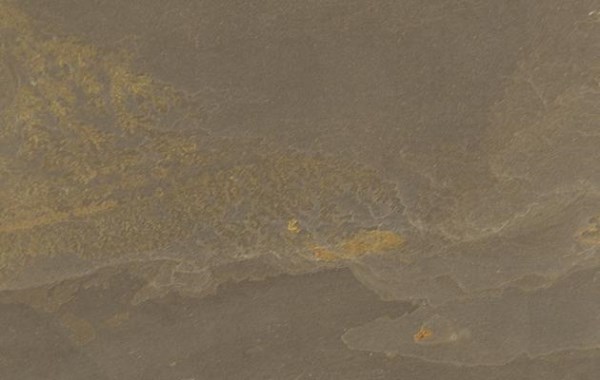
If you think “black slate” is just a flat, boring slab of charcoal, think again. Indian Black Slate is actually packed with quiet drama. Look past the name, and you will notice swirling patches of rusty brown, mossy green, and delicate white quartz running horizontally across a calming dark grey base. It doesn’t shout for attention; instead, it feels like a painting of a distant mountain range frozen in stone.
Because of its natural matte finish, this stone soaks up light rather than reflecting it. That makes it a dream material for creating moody, Zen-like indoor spaces or grounding outdoor areas. I often see it used around outdoor fireplaces, garden stepping stones, or even as a rugged backsplash in a bar area. Thanks to its dense, layered structure, it handles freezing winter temperatures beautifully without cracking, and its split-face texture offers fantastic grip even when it’s slick with rain.
However, you need to walk into this project with your eyes wide open about its quirks. The biggest one? Staining. Because Indian Black Slate is highly porous, it acts like a sponge for spills. If a splash of red wine or cooking oil hits it, and you haven’t sealed it, that stain will soak straight in and become permanent. Sealing is an absolute, non-negotiable must before installation.
Also, don’t expect perfectly matching tiles. The color and pattern variation from slab to slab is huge. If you are working on a large feature wall, make sure to order everything from the same batch to avoid a patchy, inconsistent outcome.