 Produttori cinesi professionali di pietra naturale, fornitori, grossisti, ed esportatori
Facciate con rivestimento in pietra: L'arte di fondere la tradizione con l'architettura moderna
Per secoli, l'esterno di un edificio è servito più di un semplice guscio protettivo: è stato una testimonianza dell'artigianato, valori culturali, e ideali estetici. Antichi artigiani cinesi, come riportato nel testo classicoKao Gong Ji (I registri dell'esame dei mestieri), lo capii profondamente, credendo che l'eccellenza nella costruzione richiedesse la perfetta armonia delle stagioni, clima, bellezza materiale, e lavorazione qualificata. Oggi, quella stessa filosofia rivive nell'uso delle facciate rivestite in pietra, una tecnica di costruzione che trasforma gli edifici ordinari in punti di riferimento duraturi.
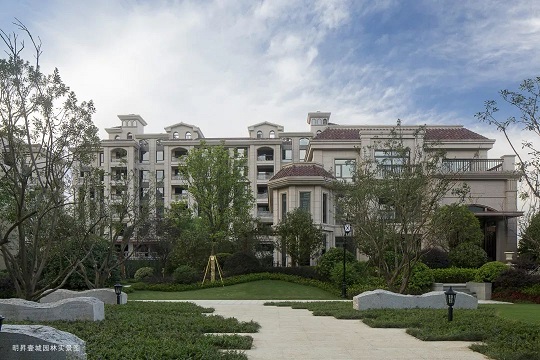
Cos'è il rivestimento in pietra?
Il rivestimento in pietra è un metodo di costruzione specializzato in cui materiali lapidei decorativi, come granito o marmo artificiale, sono montati sulla superficie esterna del telaio strutturale di un edificio.A differenza dell'intonacatura convenzionale o dell'adesione delle piastrelle, questo approccio prevede un complesso sistema di fissaggio meccanico che sospende i pannelli in pietra indipendentemente dalle pareti portanti. Il risultato non è solo visivamente sbalorditivo ma anche eccezionalmente durevole.
Perché il rivestimento in pietra si distingue
Nell’odierno mercato delle costruzioni attento ai costi, la maggior parte dei progetti residenziali e commerciali optano per tecniche di adesione a umido o rivestimenti sintetici simili alla pietra. Sebbene queste alternative a prima vista sembrino economiche, spesso presentano inconvenienti nascosti: piastrelle vuote, screpolature, e la desquamazione sono problemi comuni che richiedono riparazioni frequenti e costose, spese che spesso ricadono sui proprietari degli immobili.Rivestimento in pietra, per contrasto, offre una durata di servizio di gran lunga superiore a quella degli esterni convenzionali, richiede una manutenzione minima, e riduce significativamente i costi di riparazione a lungo termine per i residenti.
Oltre la durabilità, il rivestimento in pietra offre prestazioni strutturali superiori. Il suo strato d'aria ventilato tra la pietra e l'isolamento non solo migliora l'efficienza termica, mantenendo gli interni freschi d'estate e caldi d'inverno, ma aiuta anche ad assorbire i carichi del vento e le forze sismiche., riducendo il rischio di crepe o spostamenti.Questa funzionalità di risparmio energetico si traduce nel tempo in bollette elettriche notevolmente inferiori.
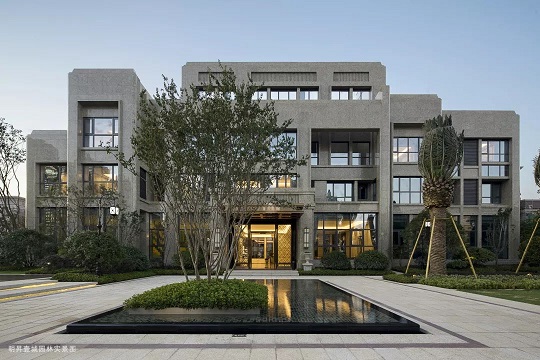
Una testimonianza di valore duraturo
Il vecchio adagio “ottieni quello per cui paghi” è particolarmente vero in architettura. I costi dei materiali per le facciate rivestite in pietra sono molte volte superiori a quelli dei rivestimenti sintetici o delle piastrelle convenzionali.Tuttavia, se si tiene conto dei risparmi derivanti dalla riduzione della manutenzione e dal minor consumo energetico, l'investimento si rivela non solo giustificato ma straordinariamente prudente. Buona qualità costruttiva, Dopotutto, è il fondamento di un valore immobiliare duraturo.
Una vetrina di eccellenza: Il progetto Mingsheng Yicheng
Un esempio lampante del potenziale del rivestimento in pietra è il Mingsheng Yicheng (X UNA CITTÀ) sviluppo. I suoi progettisti hanno selezionato una tavolozza di pietra ciano chiaro accentata con riflessi verdi, ottenendo una facciata elegante e rispettosa dell'ambiente.Il progetto sposa la tradizione artigianale con le moderne tecniche di costruzione, il risultato è un'esperienza visiva tanto esteticamente accattivante quanto funzionalmente superiore.Ogni dettaglio riflette gli artigiani’ dedizione, conferendo all'edificio una ricchezza dimensionale che resiste agli elementi e invecchia con grazia.
In un’era in cui velocità e costi spesso mettono in ombra la qualità, le facciate rivestite in pietra ricordano silenziosamente che la vera eccellenza architettonica non è mai casuale: è il prodotto di una scelta deliberata, abilità magistrale, e un impegno costante per la bellezza che dura.