 Fabricants professionnels chinois de pierre naturelle, fournisseurs, grossistes, et exportateurs
Fissuration du marbre après l'installation: Est-ce un défaut de qualité?
Tous les acteurs de l'industrie de la pierre savent que la casse du marbre est un casse-tête persistant, et chaque année, cela coûte aux fabricants et aux entrepreneurs une petite fortune en pertes. Mais où commencent vraiment les ennuis? Passons en revue les suspects habituels.
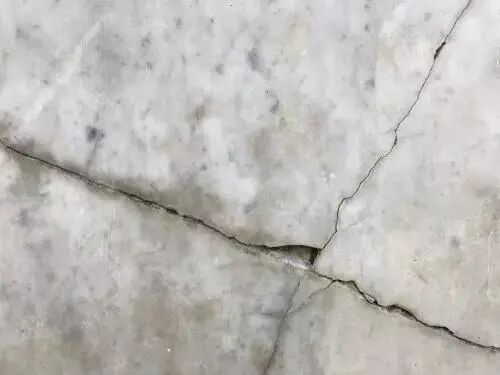
1. La pierre elle-même n’est pas construite pour durer
Le granit vous pose rarement des problèmes. Marbre, d'autre part, c'est une autre histoire - et plus le marbre est raffiné, plus il est sujet aux fissures. Pourquoi? Parce que ces veines spectaculaires et ces couleurs riches qui rendent le marbre haut de gamme si désirable sont aussi des zones de faiblesse naturelle.. Les microfractures et fissures internes font partie du package.
Prenez des classiques commeSahana Beige, Beige Espagnol, Nouveau beige occidental, Veine dorée, Veine d'argent, ou marbres texturés en bois. Leurs motifs saisissants sont accompagnés de lignes de stress cachées, donc ils naissent pratiquement fragiles.
2. Installation trop zélée
Vous pouvez avoir des dalles parfaites, mais au moment où ils sont couchés, ils se brisent, souvent à cause de ce qui se passe lors de la réparation et du nivellement.
Pour accélérer le travail, les ouvriers saisissent un maillet en caoutchouc et martèlent. Trop de force, ou un maillet trop gros, et la dalle cède. Certains utilisent même le manche du marteau ou une brique au hasard pour tasser les choses à plat – sans rembourrage., impact de toutes les charges ponctuelles. C’est une recette pour des fissures invisibles qui apparaissent immédiatement ou peu de temps après.
3. Mauvaise manipulation pendant le durcissement
Trois propriétés mécaniques comptent le plus: résistance à la compression, résistance à la flexion, et résistance aux chocs. Dépasser l'un de ces seuils, et la pierre se brise.
C'est pourquoi les chantiers de construction et les zones de durcissement sont des zones dangereuses : les machines lourdes, charges roulantes, les chutes d’outils ou de débris peuvent tous provoquer une fracturation à grande échelle. Et une fois le mal fait, c'est rarement localisé.
Donc, que pouvons-nous faire de mieux? Voici quelques mesures pratiques, non exhaustives, mais un point de départ pour une conversation:
- Renforcer la dalle par l'arrière. Appliquez un adhésif dédié pour support de pierre et scellez les cinq faces exposées. (et rescellez tous les bords coupés). Cela donne au marbre un aspect plus fort, structure plus cohérente.
- Abandonnez le maillet. Utilisez plutôt un compacteur vibrant portatif. Il fournit un uniforme, pression douce – pas de charge ponctuelle inégale susceptible de provoquer des fissures.
- Améliorez le matériel lui-même. Certains fournisseurs proposent désormais des panneaux en marbre d'ingénierie (Par exemple, le système « Enhanced Marble » d'Aidi) qui poussent la résistance à la compression au-dessus 50 MPa, résistance à la flexion passée 7.0 MPa, et survivez à une chute de bille d'acier de 250 g de 0,8 m sans dommage visible.
- Laissez-le respirer pendant le durcissement. Gardez la zone ouverte – pas de bâche en plastique hermétique. L'adhésif doit durcir et l'humidité doit s'échapper; la vapeur emprisonnée ne fait qu'affaiblir la liaison et stresser la pierre.
La fissuration n'est pas toujours un problème de « qualité » au sens traditionnel du terme ; il s'agit souvent d'une chaîne de conception., manutention, et choix de processus. La bonne nouvelle est qu'avec des techniques plus intelligentes et un peu de soin, la plupart de ces pertes sont entièrement évitables.